intimacy and music
In today's world, where big cities dominate our landscapes, people live in close quarters, often side by side. Our lives are shaped by institutions—daycares, schools, workplaces—and much of our free time is spent in various clubs, be they sports or cultural. But what is intimacy? How does it intersect with music, and where can we find it?
//Intimacy//
In today's world, where big cities dominate our landscapes, people live in close quarters, often side by side. Our lives are shaped by institutions—daycares, schools, workplaces—and much of our free time is spent in various clubs, be they sports or cultural. But what is intimacy? How does it intersect with music, and where can we find it?
Intimacy is frequently mistaken for privacy, as it often occurs in private spaces. However, intimacy has a close relationship with proximity, whether physical or psychological. It touches the heart, soul, spirit, or body of an individual.
In lives that unfold primarily in public spaces, finding intimacy isn't always straightforward. Where do we experience it? In the bathroom, at home? Intimacy can also be a state of mind, a simple gesture from one person to another, a thought, feeling, or idea within someone's head.
A modern-day reflex to seek intimacy is through screens and earplugs, as if avoiding real human interaction creates some kind of protective bubble. Our phones and screens have become alternatives to private spaces in a densely populated world. The quality and safety of this virtual privacy are topics that could fill endless pages.
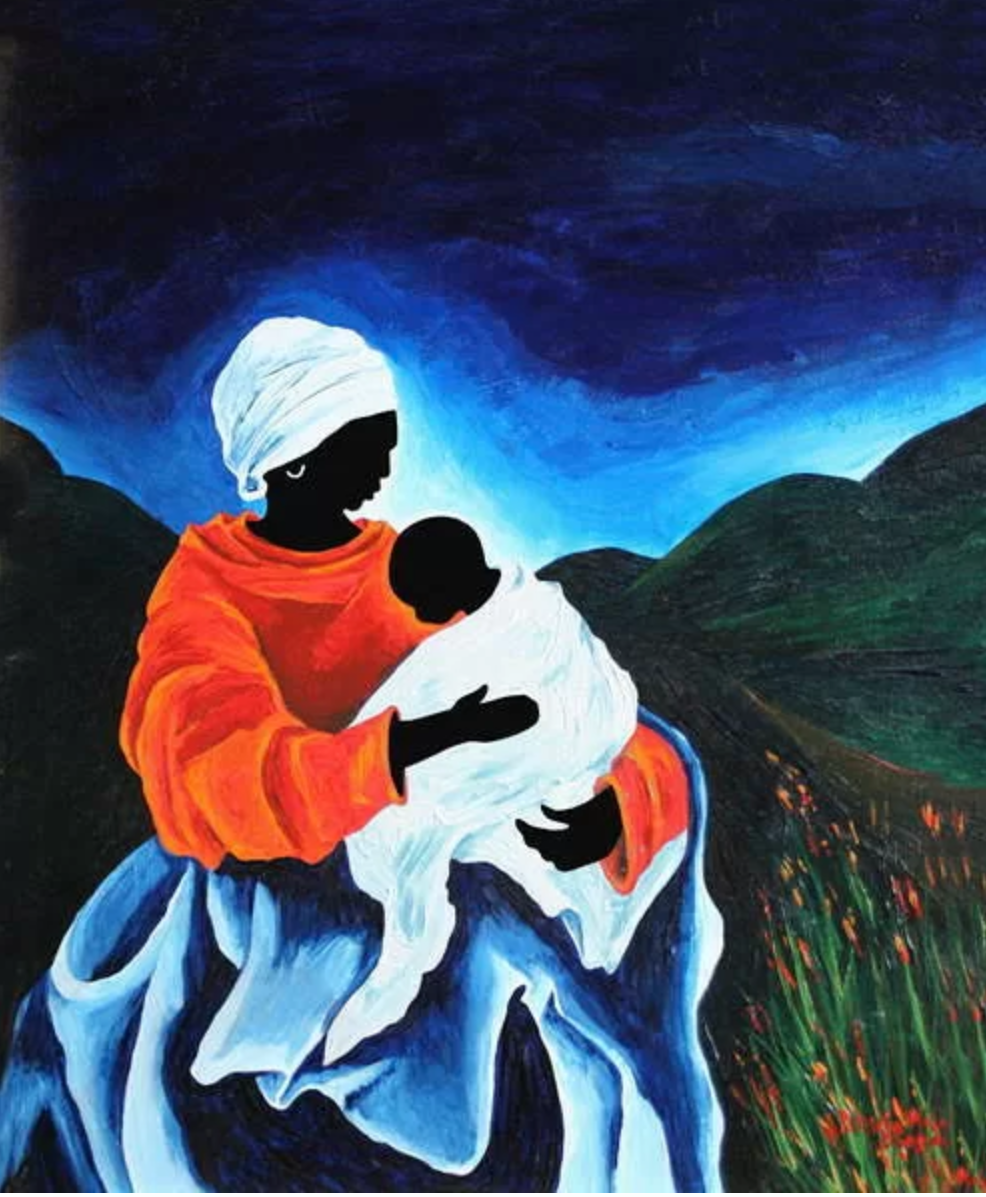
Creating and listening to music can foster intimate moments. Intimacy can be a solo experience or shared with others. A quintessential example is a lullaby—a parent or close person singing or humming to a baby, creating a crucial intimate moment akin to storytelling on the couch. This interaction expresses the bond between two people.
Another example is listening to music through headphones. The isolation from the outside world creates a virtual private space with the sound source close to the ear. This moment can be shared, for instance, when two people listen to the same music.
When it comes to live music, the search for intimacy can be more complex. Does it depend on the venue? The number of listeners? The physical distance between musician and audience? What can make a performance intimate?
While these aspects certainly influence the character of a performance or concert, I've concluded that the most decisive factor is the way an artist addresses their audience. This interaction creates a unique bond, shaping an intimate and memorable experience.

Artistic practice in (elementary) music education
Artistic practice in music education
// Artistic Practice in (Elementary) Music Education
The question of artistic practice in music education, and specifically in elementary music education, has been accompanying me since 2015. In my bachelor's thesis, I delved into the question of what artistic practice is or can be in general. Regarding elementary music education, I found it challenging to define or create a definition because: How can one define something that constantly changes its form and adapts to different situations?
But first of all, what is artistic practice, and why is it necessary in pedagogy or education?
In my view, artistic practice is the creation or practice of artistic content for the sake of the art itself, with the goal of achieving an artistic outcome. The priority is, therefore, not to pursue a primary pedagogical, methodological-didactical, or therapeutic goal, but an artistic one. This motivation is underpinned by an artistic ambition. Nevertheless, artistic practice can be pedagogically, methodologically-didactically, or therapeutically valuable and achieve such successes. The difference is that pedagogical-methodological-didactical strategies serve as tools rather than the central focus.
Does this contradict clearly defined learning objectives? No. As an educator, I can also pursue clearly defined learning/teaching objectives and weave them into the creative process. Does artistic practice necessarily aim for a performance? No.
Through an analysis of various performance art artists and their activities, I concluded that performance art as a genre can serve as a model for artistic practice in elementary music education. Calling performance art a genre is a conundrum in itself because the immense differences in intention, form, and design suggest that no such definition can be made. And yet, the idea of performance art as a genre exists. Often, one of the few commonalities is the intention to be artistically active. To create a performative moment in which a kind of transformation occurs—collective, individual, personal, or cultural.
// Why Ask About Artistic Practice?
Is it necessary to have an artistic practice as a teacher, or is it enough to have artistically valuable moments and interactions with students?
I say yes, it is necessary.
Learning a language is not just about learning words. You need grammar and conversations. But most importantly, what’s the point of learning a language if you have nothing to say?
This is where artistic practice comes in.
Artistic practice is a moment in which learned concepts, techniques, and cultural usages are applied to express oneself, to communicate what cannot be said in everyday life or with language alone.
Artistic practice inspires, encourages reflection and exchange. Artistic practice is the foundation and essence of all music education.
Having an artistic practice means going beyond merely teaching skills; it means embodying the creative process and inviting students to partake in it. This approach enriches the educational experience, making it more meaningful and impactful.
Artistic moments and interactions are valuable, but having an ongoing practice ensures that these moments are not isolated incidents but part of a continuous journey of artistic growth and exploration for both teachers and students.
In conclusion, incorporating artistic practice into music education is not just beneficial but essential. It provides the means to create a deeper connection with the art form and fosters an environment where true artistic expression can flourish.